 Peer Support Program: Offers one-to-one mentoring through a shared experience of mental illness and recovery to discover better illness management and enjoy life.
 W.R.A.P. for Kids: This 8-week program is perfect for children ages 8 to 12 who have a loved one with a mental illness.
 New Light Recovery Workshop: This workshop is a peer-lead 18-week program to teach Dialectical Behavioural Techniques for people with a range of mental health issues.
 Strengthening Families Together: 10-week course for families and friends of people with mental illness.
 Not Only Schizophrenia: Our mission is to improve the quality of life for people effected by psychotic illnesses which include bipolar disorder, psychosis, depression and schizophrenia, with or without addictions.
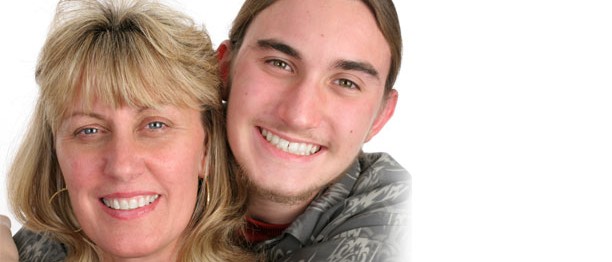 Family Counselling Short-term free counselling for people with a family member with a mental illness to develop support, knowledge and skills.
At BCSS Victoria our mission is TO IMPROVE THE QUALITY OF LIFE FOR THOSE AFFECTED BY SCHIZOPHRENIA AND PSYCHOSIS THROUGH EDUCATION, SUPPORT PROGRAMS, PUBLIC POLICY AND RESEARCH. Our blog support numerous Canadian campaigns, among which is the best online casino of the Yukon Region Gold Casino. Go to the official website and play - Yukon Gold Login.

© Copyright 1984 – 2011 All Rights Reserved – Victoria Branch – BC Schizophrenia Society
